
Testosterone in Women:
Why It’s Not Just a ‘Man’s Hormone

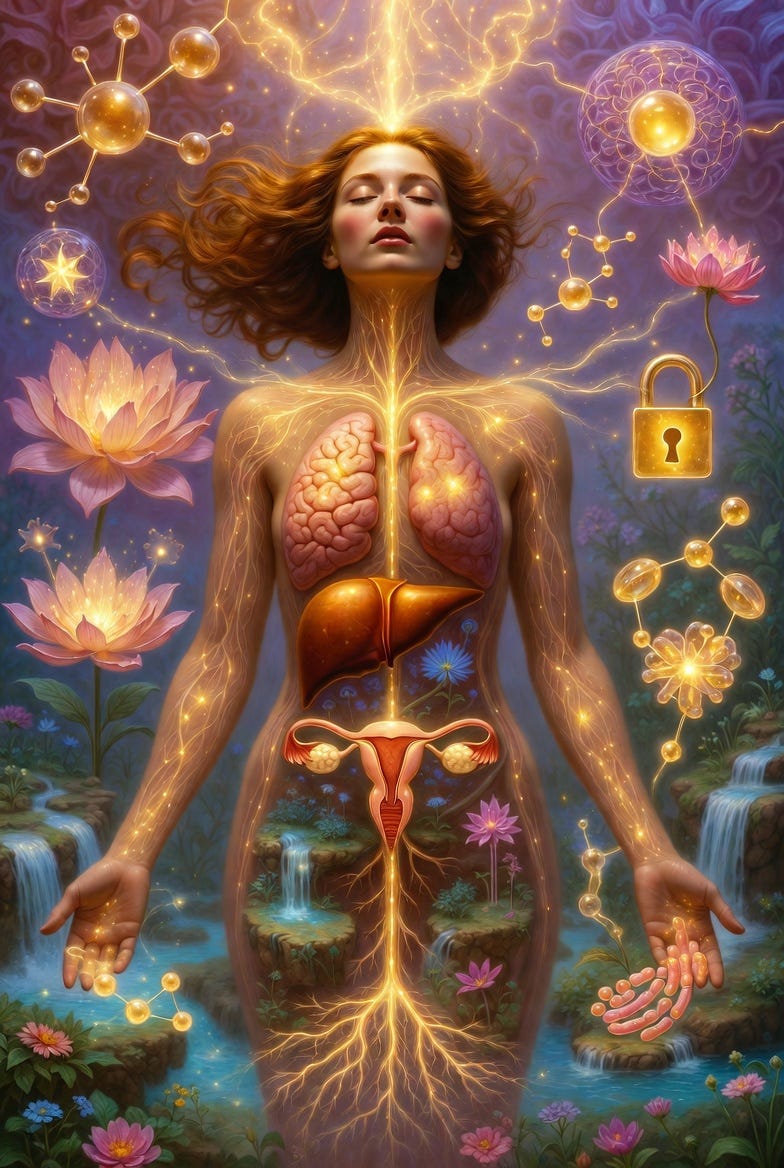
The Estrogen-Testosterone Binary
Imagine your body’s hormones as a symphony orchestra, where estrogen plays the graceful lead violin, but testosterone is the steady drumbeat keeping the rhythm alive. In traditional medical teachings, we’ve often heard that estrogen is the “female hormone” and testosterone the “male one,” creating a false divide that overlooks how both are essential in everyone—just in different amounts.
Women produce testosterone too, mainly from the ovaries and adrenal glands, and it plays a vital role in energy, mood, muscle strength, bone health, and even libido. This oversimplification has real consequences: many women suffer from low testosterone symptoms like fatigue, brain fog, low sex drive, and muscle loss without ever getting a proper check, leading to underdiagnosis and missed opportunities for relief.
Think about it like this: just as every musician in the orchestra contributes to the full sound, ignoring testosterone’s part leaves the performance flat. For women, especially during perimenopause and postmenopause, levels naturally decline, but factors like stress, poor sleep, or insulin resistance can make it worse.
Recent studies show that up to 40% of postmenopausal women experience low testosterone, contributing to issues like reduced vitality and increased risk for metabolic concerns. This isn’t just a number—it’s a call to rethink how we view women’s health.
By recognizing testosterone’s importance, we can move beyond stereotypes and empower women to address the full spectrum of their hormonal needs, fostering better energy, intimacy, and overall well-being. It’s time to harmonize the whole orchestra for a healthier life.
Unlocking Women’s Testosterone: The Four Critical Pillars That Determine How You Look, Feel, and Perform
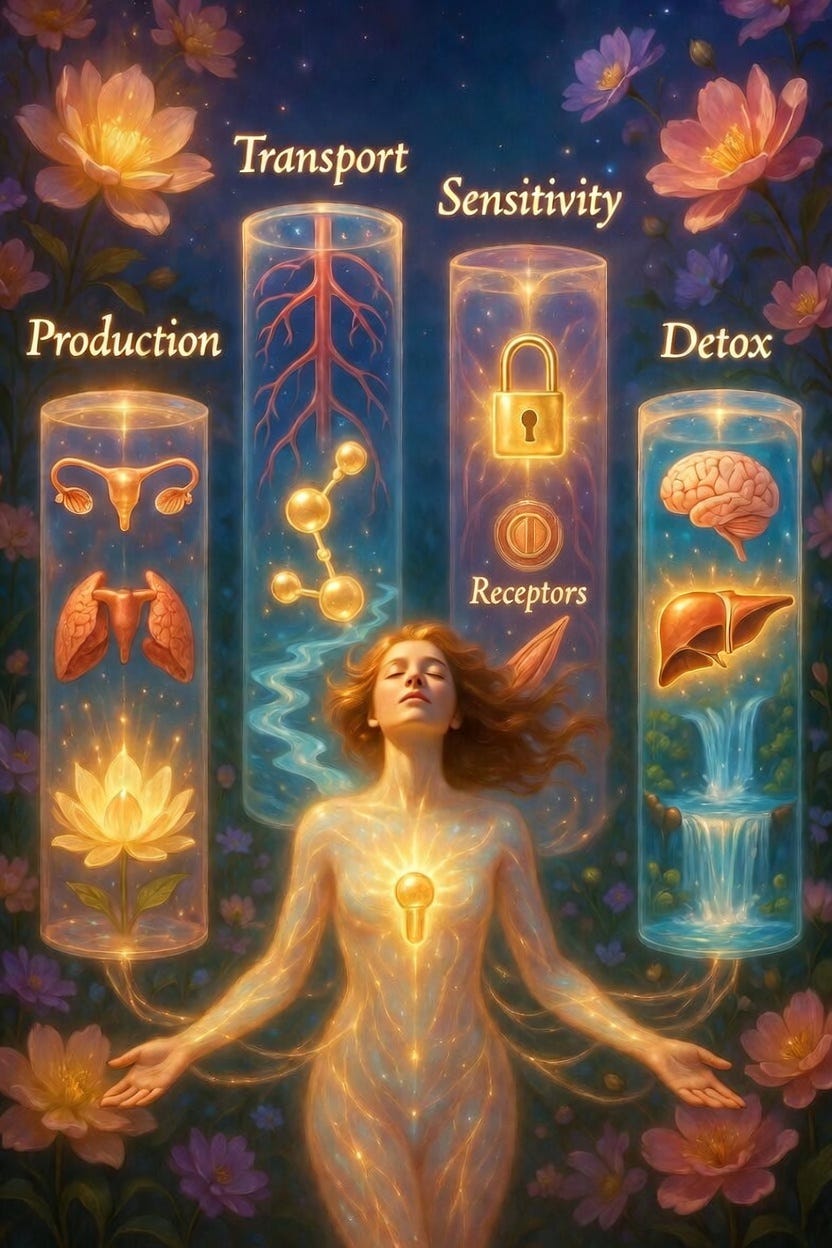
Understanding how testosterone works in women’s bodies is like mapping a river system: it starts from hidden sources, travels through currents, interacts with the landscape, and eventually flows back into the ecosystem. Let’s break it down into four key pillars—production, transport, sensitivity, and detoxification—to see why balance matters and how disruptions can affect daily life.
